

You're Trained to Handle Everyone Else's Worst Day. Who Handles Yours?
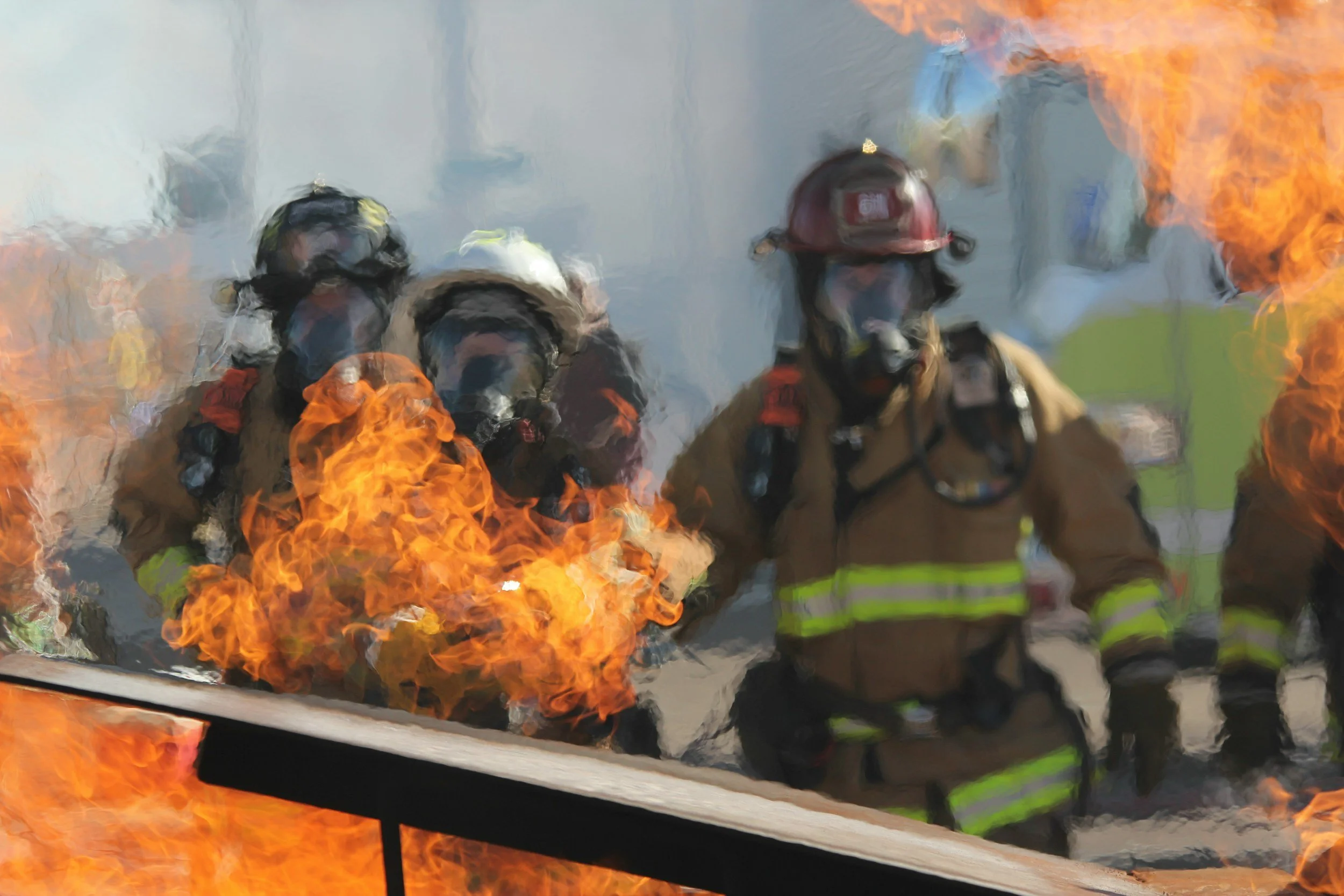
Firefighters, paramedics, police officers, dispatchers, correctional officers, and other public safety personnel share something in common: you run toward what everyone else runs away from. You've learned to stay calm in chaos, make fast decisions, and compartmentalize so you can do the job and get through the shift.
That skill set saves lives. But it can also make it very hard to notice, or admit, when the weight of the job is starting to catch up with you.
The Numbers Behind the Silence
If you've been telling yourself you're the only one struggling, the research says otherwise. A national survey of nearly 6,000 Canadian public safety personnel found that roughly 44.5% screened positive for symptoms consistent with one or more mental health disorders, a rate far higher than in the general population.
Struggling doesn't mean you're weak or unfit for the job. It means the job asks a great deal of the human nervous system, and over time that adds up.
Why It's So Hard to Ask for Help
Many first responders describe the same barriers:
The culture of toughness. Asking for help can feel like admitting you can't handle it.
Fear of career consequences. Worries about how colleagues, supervisors, or fitness-for-duty processes will react.
"Others have it worse." Minimizing your own experience because you've seen tragedies that seem bigger.
No time and no words. Shift work makes appointments hard, and it's tough to describe what you're feeling when you've spent years pushing it down.
These barriers are real, and they're a big reason people wait years, sometimes decades, before getting support.
Signs the Job May Be Taking a Toll
Trauma in first responders doesn't always look like one dramatic incident. It's often cumulative: call after call, year after year. Common signs include:
Hypervigilance. Always scanning, on edge, unable to relax even at home
Emotional numbness. Feeling flat, detached, or "checked out" from the people you love
Sleep problems or nightmares. Difficulty switching off after shifts
Intrusive memories or flashbacks of specific calls
Irritability or anger that seems out of proportion, especially at home
Withdrawal from friends, family, or things you used to enjoy
Increased drinking or other ways of taking the edge off
Guilt or replaying calls, wondering what you could have done differently
Any of these can be a normal response to abnormal experiences. But when they persist, they're worth taking seriously rather than white-knuckling through.
What Trauma-Focused Therapy Actually Looks Like
Therapy for first responders isn't about being told to "open up" for an hour and then sent home. It's structured, evidence-based work designed to help your brain and body process what they've been carrying.
At The Authentic Life, our therapists are trained in trauma-focused approaches including Cognitive Processing Therapy (CPT), Prolonged Exposure (PE), and Internal Family Systems (IFS), each tailored to the culture and realities of first responder, military, and veteran communities. You don't have to explain what a bad call is, or why you can't "just leave it at work." Your therapist understands the world you work in.
You also stay in control of the pace. Good trauma therapy is not about being forced to relive everything on day one.
You Don't Have to Wait for a Breaking Point
Many people assume therapy is only for after a crisis. In reality, the earlier you reach out, the more options you have, and the less time symptoms have to settle into your relationships, your health, and your sense of self.
If you're in Ottawa, we offer in-person sessions at our Centrepointe and Orléans clinics, plus virtual therapy anywhere in Ontario, which can be a good fit around shift schedules. You can learn more on our First Responders, Military & Veterans page.
Book a free 15-minute exploratory call to talk through what you're dealing with and ask any questions about how therapy works, before committing to anything.