

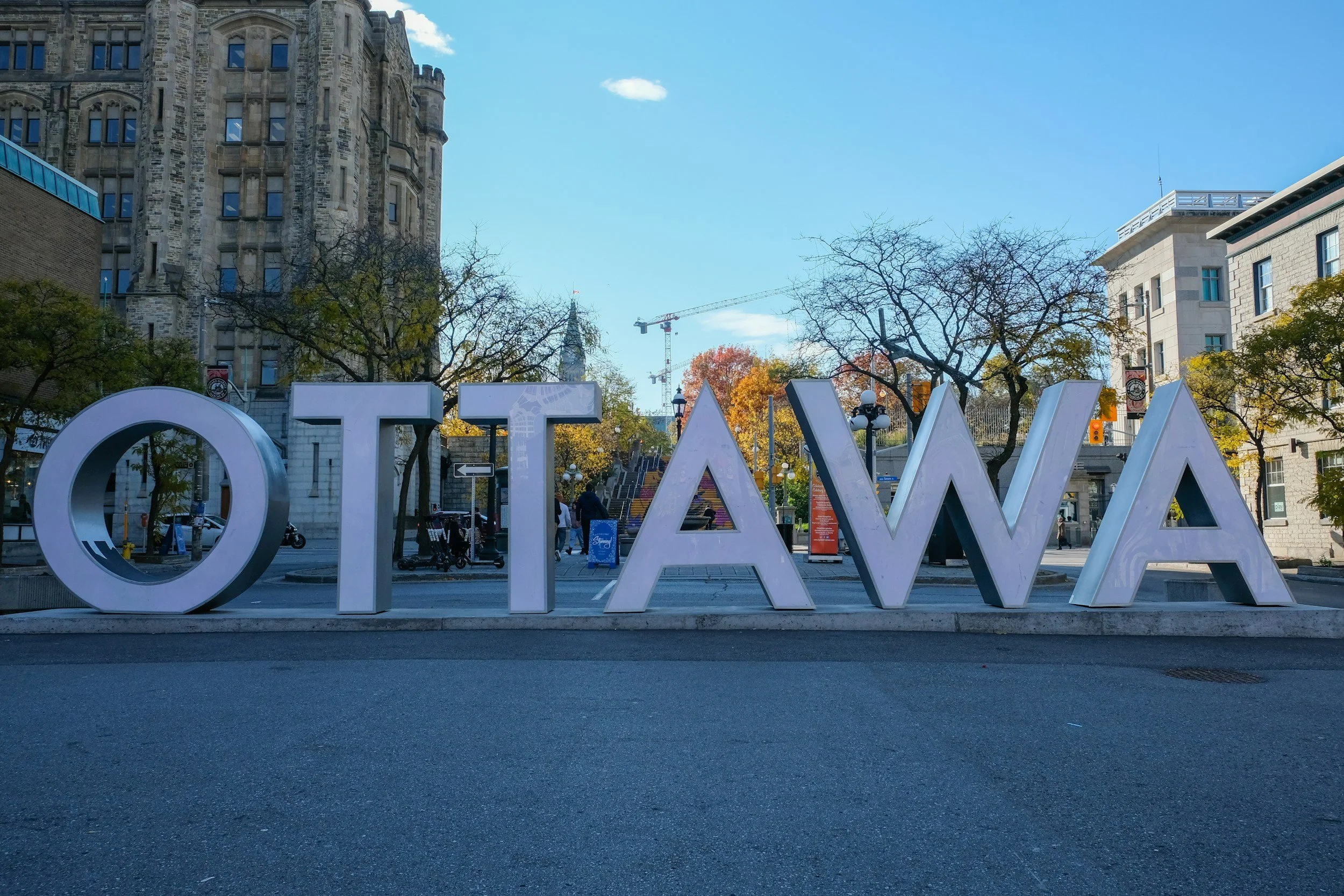
With the U.S. midterm elections arriving on November 3, political news is hard to escape, even if you live in Ottawa. It's on your feed, in your group chats, at family dinners, and in the background of every news cycle. For many people, it doesn't just feel like noise. It feels personal, heavy, and difficult to switch off.
If you've noticed your stomach tightening when you open the news, lost sleep over what might happen next, or felt a sense of dread about the future, you're not overreacting. Election and political stress is a real, well-documented source of anxiety, and it affects people across the political spectrum.
Is Election Anxiety Real?
Yes. Election anxiety isn't a formal diagnosis, but the stress it describes is very real. Research and mental health surveys have consistently shown that politics can be a significant stressor:
The 2026 Thriveworks Pulse on Mental Health report found 38% of Americans say political news and events are a leading source of stress.
A Gallup survey of over 23,000 U.S. adults conducted earlier this year found that roughly 73% were concerned about multiple aspects of the election process, and a large majority across party lines were worried about political pressure on election outcomes.
During the 2024 election cycle, an American Psychological Association poll found that 73% of U.S. adults felt anxious about the election.
You don't need to be American, or even particularly political, to feel the effects. Canadians are heavily exposed to U.S. news, and many have family, friends, and financial ties across the border. And the same dynamics apply to any high-stakes election, here or abroad.
What Election Stress Can Look Like
Political stress doesn't always announce itself as "anxiety." It can show up as:
Compulsively checking news or social media (doomscrolling)
Trouble sleeping or racing thoughts at night
Irritability, anger, or feeling "on edge"
Tension with family, friends, or coworkers over political differences
Feeling helpless, hopeless, or numb about the future
Difficulty concentrating
Physical symptoms like headaches, a tight chest, or stomach issues
Avoiding conversations or people because it feels like too much
For some people, political events can also stir up older stress, especially for those whose identities, communities, or rights feel directly affected by the outcome. That layered stress can hit even harder.
Why Politics Gets Under Our Skin
Several things make election season uniquely draining:
High stakes + low control. The outcome matters deeply, but any one person's influence feels tiny. That mix is a classic recipe for anxiety.
Constant exposure. Alerts, headlines, and feeds keep the nervous system activated far longer than it was designed to be.
Social tension. When friends or relatives disagree, politics can strain the very relationships we'd normally lean on for comfort.
Uncertainty. Not knowing what's coming, and not knowing how you'll feel when it does, keeps the mind in worst-case mode.
How to Cope With Election Stress
Whatever your politics, the following strategies tend to help most people:
Set news boundaries. Pick specific times to check updates, then log off. Turn off push notifications.
Focus on what's within your control. Voting if you're eligible, volunteering, donating, or supporting your community can turn helplessness into action. Just as important: taking care of your sleep, movement, meals, and relationships.
Don't argue it out online. Social media debates rarely change minds and often leave everyone more frustrated.
Protect your relationships. It's okay to set limits on political conversations with family or friends, like "I'd rather not talk about this tonight, but I'd love to hear how you've been."
Name what you're feeling. Fear, anger, grief, and exhaustion are all valid. Putting words to them, in a journal or out loud, reduces their intensity.
Stay connected to people and routines that ground you. Walks, meals with loved ones, hobbies, and time outdoors all help regulate a stressed nervous system.
Plan for after. Election results, whatever they are, often bring a second wave of emotion. Having support in place beforehand can help.
When It's More Than "Just Politics"
Political stress becomes a bigger concern when it:
Lingers for weeks and doesn't ease when the news cycle slows
Interferes with sleep, work, or daily functioning
Is causing a lasting rift in important relationships
Brings on panic, persistent worry, or feelings of hopelessness
Is layered on top of existing anxiety, depression, or past experiences of stress or trauma
If that sounds familiar, support can make a real difference. Therapy is a space to process fear, anger, and uncertainty without having to debate or defend anything, and to build lasting skills for managing anxiety about the future, no matter what's happening in the world.
At The Authentic Life, our therapists support adults navigating anxiety, stress, and relationship strain, in person at our Ottawa and Orléans clinics, or virtually across Ontario.
Book a free 15-minute exploratory call to talk through what you've been feeling and see what support could look like.
If you are in crisis or having thoughts of suicide, call or text 9-8-8 (Canada's Suicide Crisis Helpline), available 24/7, or call 911 in an emergency.
Related reading: AI Anxiety: Why the Future Feels So Uncertain